
The Performance Architecture™
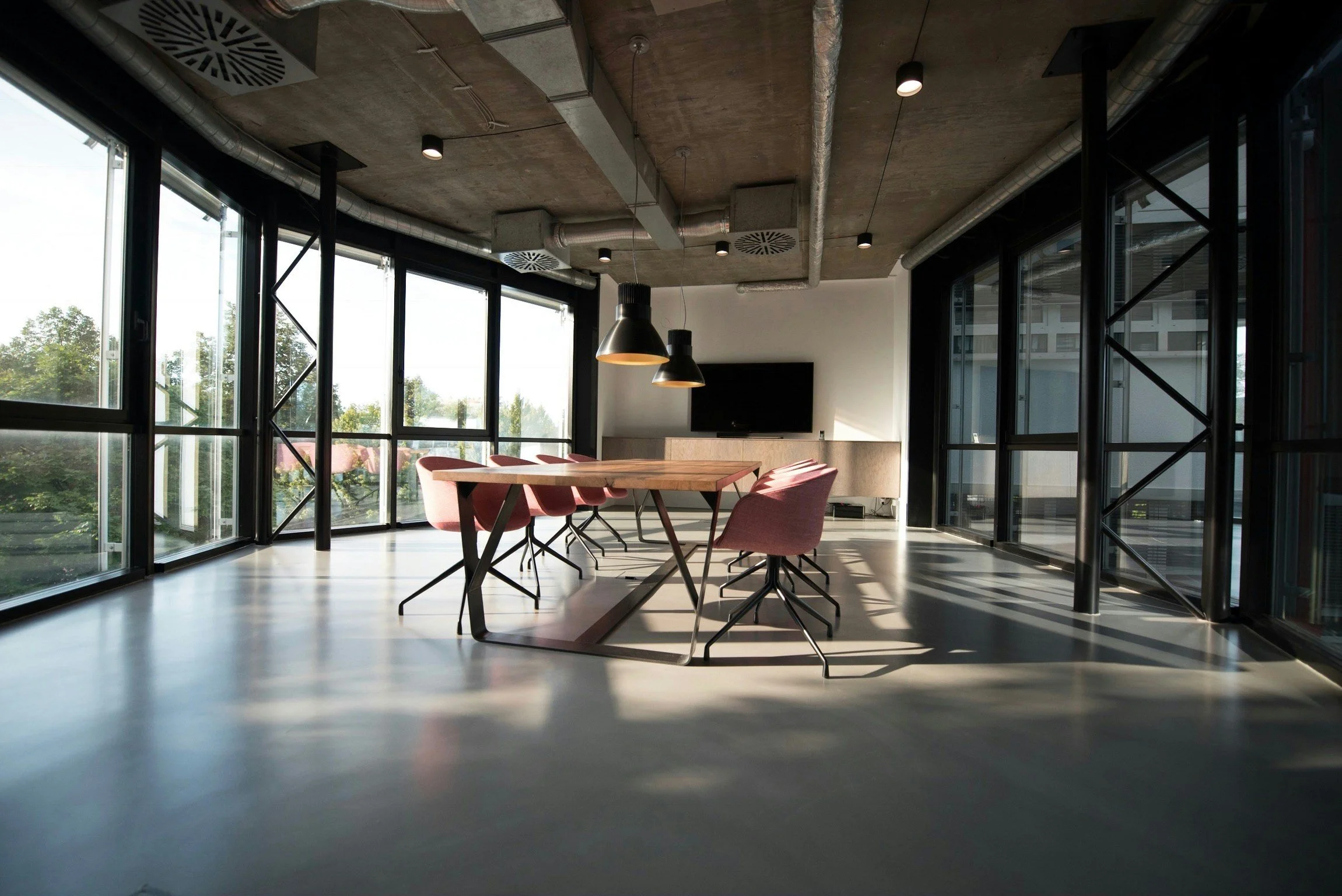
Most organizations don't have a performance problem.
When results fall short, the instinct is to act on people: training, leadership programs, culture initiatives. Rarely on the system in which people operate: the meetings where decisions are made, the spaces where work happens, the governance structures that either enable or obstruct execution.
The Performance Architecture™ is a diagnostic and intervention framework designed to make that system visible and to change it where it matters most.
How it works
The framework moves through three phases, each building on the previous.
Observation
The entry point is always evidence, not assumption. The Meeting Performance Audit maps how your organization currently uses time, attention, and collective intelligence — making visible the patterns that are invisible from the inside. It quantifies the real cost of collaboration and surfaces where value is being systematically lost.
Diagnosis
Three structured assessments examine the underlying architecture:
Decision Architecture Assessment — how decisions are actually made, where they stall, and what structural conditions produce poor or slow outcomes.
Workspace Performance Assessment — how physical and digital environments enable or constrain the way people collaborate, decide, and execute. Space is treated as an active variable in organizational performance, not as a container.
Governance & System Leadership Assessment — how leadership operates within complex, interdependent systems, and whether governance structures support or undermine execution.
Read together, these three lenses produce a systemic understanding of why things work the way they do — and where structural change would have real impact.
Solution & Continuous Alignment
Diagnosis without action is analysis. The framework moves into co-designed interventions — built with the organization, not delivered to it — followed by structured review cycles that prevent regression and sustain performance over time.
Who this is for
The Performance Architecture™ is designed for organizations where complexity is real: multinational structures, distributed leadership, hybrid operating models, high-stakes decisions made under time pressure and incomplete information.
It is relevant when the standard responses have already been tried: when the training programs have run, the reorganization has happened, the new tools have been deployed — and the underlying friction remains.
It is particularly effective when leadership recognizes that the problem is structural, but lacks a rigorous way to see it clearly and act on it without disrupting what is already working.
What makes it different
Most interventions address symptoms. A new meeting protocol. A leadership workshop. A workspace redesign. Each can produce local improvement while leaving the system unchanged.
The Performance Architecture™ starts from the system. It connects decisions, spaces, leadership behavior, and governance into a single readable picture and intervenes at the points where structural change produces the most leverage.
It does not prescribe standard solutions. Every engagement begins with observation, and every recommendation is grounded in what is actually happening in that specific organization.
The framework in practice
The Performance Architecture™ is developed and led by Andrea Guida, independent advisor with 18+ years of experience supporting executive and leadership teams in complex, international organizations across corporate, consulting, and institutional contexts.
It draws on direct field work in decision-making, organizational design, and workspace strategy, and is informed by La Cultura dell'Incertezza (Guerini Next, 2022) — a management book on systems leadership and co-design in complex environments.
When relevant, the framework integrates with specialist partners in workspace design, real estate strategy, and organizational development — bringing diagnostic rigor to interventions that require multi-disciplinary execution.
Let's talk
If what you've read resonates — not as a theory, but as a description of something you recognize in your organization — the right starting point is a conversation.
No templates. No standard proposals. Just a clear-eyed look at what's actually going on.
Contact me on Linkedin